



Priyamvada Jha, Vatsala N with Sarojini Nadimpally
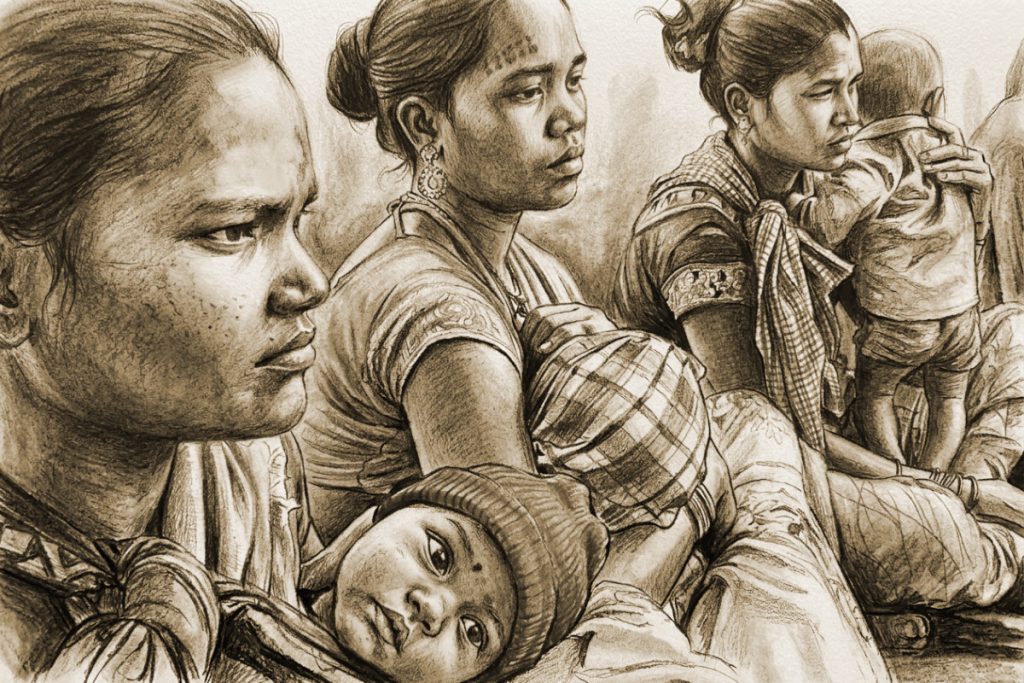
Maternal health in India has seen significant progress over the years, yet challenges remain in ensuring equitable, high-quality care for all women, particularly those living with sickle cell disease (SCD).
SCD is a genetic blood disorder characterised by the production of abnormal, sickle-shaped red blood cells due to a mutation in the haemoglobin gene. Individuals who inherit two copies of the mutated gene (HbSS genotype) typically develop the disease, whereas those who inherit a single copy (HbAS genotype) are generally asymptomatic and are described as having sickle cell trait (SCT) or as carriers.1
Mangla, A. et al. (2023b) Sickle cell anemia.
According to the 2021 Global Burden of Disease Study, an estimated 7.74 million people worldwide are living with SCD, with a quality-adjusted life expectancy of only 33 years, compared with 67 years in the general population.2
Thomson, A.M. et al. (2023) ‘Global, regional, and national prevalence and mortality burden of sickle cell disease, 2000–2021: a systematic analysis from the Global Burden of Disease Study 2021,’ The Lancet Haematology, 10(8), pp. e585–e599. India accounts for approximately 14.5% of global SCD births—the second-highest burden worldwide—and has a mean gene-carriage rate of 3.3%.3
Rao, P. et al. (2024) ‘Prevalence of Sickle cell disease, Sickle cell Trait and HBS-beta-thalassemia in India: a systematic review and Meta-analysis,’ Clinical Epidemiology and Global Health, 28, p. 101678. The prevalence is particularly high among Adivasi (Scheduled Tribe) and Other Backward Class (OBC) communities, with approximately one in every 86 births among Scheduled Tribe populations affected by SCD.4Sickle Cell Disease.
The hallmark clinical manifestation of SCD is recurrent vaso-occlusive crises, in which sickled red blood cells obstruct small blood vessels, triggering episodes of severe pain. In addition to these acute crises, individuals experience chronic anaemia, persistent fatigue, and progressive organ damage, all of which impair daily functioning, educational attainment, and employment. The cumulative impact of these complications substantially diminishes quality of life, contributes to financial insecurity, and increases the risk of mental health conditions such as anxiety and depression.5
Elendu, C. et al. (2023) ‘Understanding Sickle cell disease: Causes, symptoms, and treatment options,’ Medicine, 102(38), p. e35237.
For women living with SCD, these vulnerabilities are significantly compounded during pregnancy. Pregnancy-related physiological changes often exacerbate disease severity, increasing the risk of pain crises, severe anaemia, thromboembolic events, and other complications. Women with SCD are also at substantially higher risk of adverse obstetric outcomes, including miscarriage, preterm birth, foetal growth restriction, pre-eclampsia, eclampsia, and maternal mortality. Caesarean section rates are higher among women with SCD, often due to labour-related complications, and blood transfusions are commonly required during pregnancy, childbirth, and the postpartum period.6
Oteng-Ntim, E. and Shangaris, P. (2022) ‘Evidence-based management of pregnant women with sickle cell disease in high-income countries,’ Hematology, 2022(1), pp. 408–413.
These risks are particularly pronounced among tribal communities in central, western, and eastern India, where SCD prevalence is highest and access to quality healthcare, comprehensive antenatal services, blood transfusion facilities, and emergency obstetric care remains limited. Consequently, the burden of SCD intersects with existing social and health inequities, intensifying maternal morbidity and mortality among already marginalised populations.
The following sections examine how SCD contributes to maternal mortality and morbidity in India through an intersectional sexual and reproductive health and rights (SRHR) lens. Drawing on the existing literature and Sama’s work on SCD and maternal health, the essay explores the impact of SCD on pregnancy and childbirth; barriers to timely, high-quality maternal healthcare, including antenatal care, blood transfusion services, and emergency obstetric care; women’s experiences with SCD within the health system; and the broader social, economic, and gendered determinants that shape their reproductive health outcomes. It concludes by identifying key gaps in policy and service delivery and highlighting priorities to strengthen rights-based, equitable, and responsive maternal healthcare for women living with SCD.
Methodology
This paper draws on a desk-based review of existing literature and secondary data. It is exploratory in nature, synthesising India-centric peer-reviewed studies, including retrospective cohort and clinical studies from tertiary and community hospitals in Gujarat, Maharashtra, and central India, alongside global technical and epidemiological literature on sickle cell disease. The literature spans 2019 to 2026 and includes clinical and epidemiological studies published in journals such as the International Journal of Gynaecology & Obstetrics, Cureus, the Journal of South Asian Federation of Obstetrics and Gynaecology, and The Lancet Haematology. This approach consolidates dispersed clinical evidence on SCD and maternal mortality in India into a single analytical review.
The limitation of this paper, as mentioned above, draws on a review of published studies and government data rather than primary fieldwork. As a result, it cannot capture the lived experiences of women with SCD navigating pregnancy and childbirth in India.
Pregnancy as a High-Risk State in Sickle Cell Disease
Pregnancy is a period of profound physiological transformation that intersects adversely with the pathophysiology of sickle cell disease at multiple levels. The haematological, haemodynamic, immunological, and coagulatory changes of normal pregnancy, including increased blood volume, reduced red cell survival, elevated prothrombotic risk, relative immunosuppression, and reduced oxygen reserve, compound the pre-existing vulnerabilities characteristic of SCD. Conditions that precipitate sickling, including hypoxia, dehydration, infection, and physiological stress, occur more frequently and with greater severity during pregnancy, labour, and the postpartum period. The consequence is a substantially elevated risk of SCD-related crises, obstetric complications, and maternal mortality throughout the continuum of pregnancy care.
The quantitative dimension of this risk is well documented in the Indian literature. A retrospective cohort study at a community-based tribal hospital in Gujarat (Dave et al., 2024), analysing 24,256 deliveries over five years, found that women with SCD had an adjusted odds ratio of 13.7 (95% CI: 4.5-42.7) for maternal death compared with women without SCD. This finding that pregnant women with SCD are nearly fourteen times more likely to die during the perinatal period establishes SCD not merely as a complicating factor but as a major independent determinant of maternal mortality risk in India’s high-burden regions. A study from Nagpur (Chafale et al., 2026) further quantified the institutional burden: among 900 obstetric admissions involving women with SCD over three years, 27 maternal deaths were recorded, accounting for 11.89% of all maternal deaths at the institution during the study period.
Causes and Mechanisms of Maternal Death in SCD Pregnancies
The causes of maternal death among women with SCD in India are predominantly disease-specific, with vaso-occlusive and thromboembolic complications accounting for the largest share of fatalities. Chafale et al. (2026) found that postnatal vaso-occlusive crises after normal vaginal delivery accounted for 37.03% of maternal deaths, while pulmonary embolism during the antenatal period contributed to 29.62%. An additional 25.92% of deaths occurred due to vaso-occlusive crises after caesarean delivery. Together, these three mechanisms account for over 92% of recorded maternal deaths in the study, underscoring that SCD-specific complications — rather than conventional obstetric causes — are the dominant drivers of mortality.
Evidence from a retrospective study in Vadodara (Chaudhary and Pitre, 2023) further illustrates the range of fatal mechanisms, with maternal deaths due to haemolytic crisis (two cases), cerebral infarction (one case), and atonic postpartum haemorrhage (one case). The latter reflects the compounding of an SCD-related coagulation vulnerability with a standard obstetric complication. A retrospective cohort study from Nagpur (Rajauria et al., 2023) reported a maternal mortality of 5.26% among women with homozygous SCD, compared with 1.07% in the sickle cell trait group and no deaths in the normal haemoglobin control group. Taken together with the Gujarat data, these figures establish a consistent pattern: homozygous SCD substantially elevates maternal mortality risk across geographically distinct Indian settings.
Severe Anaemia as a Proximate Risk Factor
Severe anaemia is central to the pathway from SCD to maternal death. In the Indian obstetric context, anaemia is already a leading contributor to maternal morbidity and an amplifier of mortality from haemorrhage; in SCD pregnancies, the anaemia burden is markedly more severe and less amenable to routine supplementation. Chafale et al. (2026) found that 18.5% of deceased women had haemoglobin levels below 5 g/dL at admission, while 51.85% had haemoglobin between 5-7 g/dL, indicating that the overwhelming majority of women who died were in moderate to severe haematological compromise at the point of clinical contact. Chaudhary and Pitre (2023) reported anaemia in 90.62% of SCD pregnancies, with 75% requiring blood transfusion during pregnancy. Dora et al. (2019) found that 61% of women with homozygous SCD required blood transfusions, compared to 6.7% among women with sickle cell trait. Rajauria et al. (2023) reported severe anaemia in 94.74% of homozygous SCD pregnancies. The consistent severity of anaemia across studies, and its direct relationship to haemolytic crisis and haemorrhagic death, positions it as a critical and addressable point of intervention to reduce SCD-associated maternal mortality.
Obstetric Complications and Maternal Morbidity
Beyond the SCD-specific mechanisms described above, pregnancies among women with SCD are associated with substantially elevated rates of conventional obstetric complications, creating a dual vulnerability in which disease- and pregnancy-related risks compound. Dave et al. (2024) documented significantly elevated risks of anaemia (AOR 6.8), severe anaemia (AOR 4.3), caesarean section (AOR 5.5), and preterm delivery (AOR 4.5) in SCD pregnancies compared with controls. Dora et al. (2019) found preeclampsia in 32.2% of women with homozygous SCD versus 5.9% among sickle cell trait women, and a mean gestational age at delivery of 36.5 weeks in the SCD group, reflecting the elevated burden of preterm birth. Chaudhary and Pitre (2023) reported preterm labour in 56.25%, preeclampsia or eclampsia in 34.37%, and postpartum haemorrhage in 3.12% of SCD pregnancies.
The burden of sickle cell crises during pregnancy is itself a major source of clinical instability. Rajauria et al. (2023) found sickle cell crises in 44.74% of women with homozygous SCD. Dora et al. (2019) reported painful vaso-occlusive crises in 28.8% of women with SCD versus 4.2% in the trait group, acute chest syndrome in 15.3% versus 0.8%, and haemolytic crisis in 6.8% versus none. All differences were statistically significant. These complications, individually and collectively, generate a sustained clinical burden that strains both the patient’s physiological reserves and the capacity of health facilities to respond adequately, particularly in rural and tribal settings with limited specialist presence and blood bank access.
The Postpartum Period as the Critical Vulnerability Window
A consistent and clinically important finding across the Indian literature on SCD and maternal mortality is the concentration of fatal outcomes in the postpartum period. Chafale et al. (2026) reported that 62.95% of deaths occurred after childbirth, and 70.37% of all deaths were classified as postnatal deaths. The principal mechanism in this phase is postnatal vaso-occlusive crisis – a complication that arises as the physiological stresses of labour and delivery precipitate acute sickling in the postpartum period, when clinical monitoring is typically less intensive and women may already have been discharged or transferred. This finding is particularly significant in light of the NFHS-5 data reviewed in the preceding section, which documented that only 61% of all mothers in India received a postnatal check within the first two days of delivery, and 16% received no postnatal care at all. For women with SCD, in whom the postpartum period carries a risk of life-threatening complications, the inadequacy of routine postnatal surveillance represents a critical structural gap in the continuum of care.
Antenatal Care Gaps and the Role of Delayed Referral
Inadequate antenatal surveillance and delayed referral are the most consistently identified systemic contributors to preventable maternal deaths among women with SCD in the Indian literature. Chafale et al. (2026) found that 74.07% of maternal deaths occurred among unbooked referral cases who had not received regular antenatal follow-up at the study centre. Chaudhary and Pitre (2023) reported that 31 of 32 SCD pregnancies in their study were unbooked cases presenting either in labour or with severe complications, with only one woman receiving appropriate multidisciplinary antenatal management, including thromboprophylaxis and blood transfusion support. Approximately 64.51% of women in that study were referred cases, several of whom had already delivered elsewhere before being transferred with SCD-related complications.
These findings align directly with the three-delays framework in the maternal mortality literature. The first delay, in deciding to seek care, is exacerbated in SCD-affected tribal communities by limited awareness of the disease, its pregnancy-related risks, and the danger signs that should prompt early medical contact. The second delay, in reaching an appropriate facility, is compounded by the geographic isolation of high-SCD-burden tribal regions and the lack of local capacity for haematological management. The third delay, in receiving adequate care upon arrival, reflects the limited availability of multidisciplinary obstetric and haematological care, blood transfusion services, and SCD-specific clinical expertise at secondary and primary facilities serving these populations. Together, these delays transform manageable SCD-related complications into fatal outcomes.
Compounded Vulnerability: Infectious Disease and SCD in Pregnancy
The compounding effect of concurrent infectious illness on maternal mortality risk among women with SCD was documented by Waghmare et al. (2021) in a multicentric study across six COVID-19 hospitals in Maharashtra. Among 1,582 pregnant and postpartum women with COVID-19, those with SCD had a maternal mortality rate of 3.2%, compared with 0.9% among non-SCD women with COVID-19, an approximately threefold difference. Women with SCD also had significantly elevated odds of gestational hypertension (OR 4.06), intrauterine growth restriction (OR 15.1), blood transfusion requirement (OR 4.3), and need for non-invasive mechanical ventilation (OR 15.21). The study documented one maternal death in a woman with sickle cell trait who contracted COVID-19 at 27 weeks, developed severe hypoxia with oxygen saturation of 79%, required ICU admission, and subsequently died, demonstrating that even sickle cell trait, conventionally considered a benign carrier state, can carry fatal risk under severe physiological stress. The study’s authors highlighted the Vidarbha tribal belt in Maharashtra as a zone of compounded epidemiological vulnerability, where high SCD prevalence coincides with limited healthcare infrastructure, creating conditions of exceptional maternal risk.
Fetal Outcomes and the Generational Dimension of SCD-Associated Maternal Risk
The adverse outcomes of SCD pregnancies extend beyond maternal mortality and morbidity to include a severe burden of fetal and neonatal harm. Dave et al. (2024) reported significantly elevated risks of stillbirth (AOR 3.4; 95% CI: 2.3-5.3) and low birth weight (AOR 3.1) in SCD pregnancies. Dora et al. (2019) found intrauterine growth restriction in 55.9% of SCD pregnancies, intrauterine death in 16.9% (compared with 0.8% in sickle cell trait pregnancies), and a mean birth weight of 2,142 g among babies born to women with SCD, nearly 550 g lower than in the trait group. Rajauria et al. (2023) reported intrauterine growth restriction in 57.89% of homozygous SCD pregnancies and a history of stillbirth in 23.68% of women with SCD. These outcomes reflect how the sustained physiological compromise of SCD – chronic anaemia, recurrent ischaemic episodes, uteroplacental insufficiency, and preterm delivery – translates into adverse consequences for foetal development and neonatal survival. The generational dimension of this burden is compounded by the fact that infants born to women with SCD in carrier communities may themselves be at risk of inheriting the disease, reinforcing the importance of genetic counselling as an integral component of maternal and reproductive health services in high-prevalence regions.
Structural Intersections: SCD, Marginalisation, and Maternal Vulnerability
The evidence reviewed above establishes that SCD substantially increases the risk of maternal mortality and morbidity. However, the impact of SCD on maternal health in India cannot be understood in isolation from the structural context in which the disease is most prevalent. SCD disproportionately affects tribal communities in central, western, and eastern India, precisely the communities where maternal health indicators are weakest, health infrastructure is least developed, and social determinants of health are most adverse. The tribal regions of Chhattisgarh, Madhya Pradesh, Odisha, Jharkhand, and Maharashtra’s Vidarbha belt, which have the highest SCD prevalence, also have the highest institutional maternal mortality burdens and the greatest deficits in antenatal care coverage, skilled birth attendance, and emergency obstetric capacity.
This intersection is not coincidental. It reflects the compounding of biological vulnerability — the pathophysiology of SCD — with structural vulnerability: geographic isolation, poverty, low educational attainment, limited autonomy in health-seeking among women, inadequate primary healthcare infrastructure, weak referral systems, and insufficient specialist availability. Women with SCD in these settings face a double burden: a disease that makes pregnancy inherently high-risk and a healthcare environment that lacks the capacity to manage that risk. The result is a pattern of maternal mortality that is both biologically driven and structurally produced, preventable in principle yet persistently occurring in the absence of targeted, equity-oriented intervention. Maternal health outcomes in India are shaped not only by medical factors but also by social location and structural inequities; for women with SCD in tribal communities, both dimensions operate with particular force.
Maternal Health within India’s National Sickle Cell Disease Policy Framework
The Government of India has formally recognised sickle cell disease (SCD) as a priority public health problem requiring a dedicated policy response. Under the National Health Mission, the Ministry of Health and Family Welfare initiated work on haemoglobinopathies in 2016, issuing comprehensive guidelines for prevention and management and providing financial support to states for screening and disease management. Building on these efforts, the National Sickle Cell Anaemia Elimination Mission (NSCEM), launched under the National Health Mission, aims to improve the quality of care for all persons living with SCD and to eliminate sickle cell disease as a public health problem in India by 2047. The programme is organised around three pillars: health promotion through awareness-raising and premarital genetic counselling; prevention through universal screening and early detection; and holistic management through a continuum of care spanning the primary, secondary, and tertiary levels of the health system. Initially targeting 17 high-prevalence states—including Gujarat, Maharashtra, Madhya Pradesh, Chhattisgarh, Odisha, Jharkhand, and Assam—the Mission seeks to screen seven crore individuals over a three-and-a-half-year period.
Within the NSCEM, maternal health receives the most detailed policy articulation. The Operational Guidelines classify all pregnancies in women with SCD as high-risk and explicitly identify complications such as vaso-occlusive crises, acute chest syndrome, severe anaemia, pre-eclampsia, thromboembolic events, antepartum haemorrhage, foetal growth restriction, and maternal mortality. The Medical Officers’ Training Manual identifies preconception counselling as a key clinical responsibility, directing providers to screen partners, discuss reproductive options, and refer high-risk couples for prenatal diagnosis. The Counselling Module provides the most comprehensive guidance across the continuum of care, covering preconception, antenatal care, labour and delivery, postpartum management, medication use, crisis prevention, breastfeeding, contraception, and reproductive decision-making. The Mission also seeks to integrate SCD services into existing maternal health platforms, particularly the Pradhan Mantri Surakshit Matritva Abhiyan (PMSMA), thereby recognising the need to embed SCD management within routine antenatal care.
These provisions mark an important policy shift by recognising pregnancy in women with SCD as a specialised area requiring coordinated, continuous care. However, a closer examination of the programme reveals significant gaps between policy intent and implementation. While the guidelines comprehensively identify clinical risks, they pay considerably less attention to the health system conditions needed to manage them effectively. The documents assume the availability of regular antenatal monitoring, specialist consultation, laboratory services, safe blood transfusion, referral transport, emergency obstetric care, and multidisciplinary management—resources that remain scarce in many tribal and underserved districts where SCD is most prevalent. Consequently, the effectiveness of the recommended clinical interventions depends on a level of health system preparedness that often does not exist.
The programme’s training architecture further reflects these limitations. The Staff Nurses’ Training Manual, intended for frontline providers most likely to care for pregnant women with SCD, contains no dedicated guidance on maternal health. Similarly, postpartum care, breastfeeding, family planning, and contraception are addressed only in the Counselling Module rather than integrated across all training materials. There is also no module specifically designed for women living with SCD and their families, limiting opportunities for informed decision-making, self-care, and recognition of danger signs. More broadly, the guidelines give relatively limited attention to the social and structural barriers that shape maternal outcomes, including geographical isolation, poverty, caste and tribal marginalisation, shortages of skilled personnel, weak referral systems, inadequate blood banking facilities, and the financial and logistical barriers that delay access to emergency obstetric care.
These gaps indicate that although the NSCEM provides a strong biomedical framework for recognising and managing pregnancy among women with SCD, it does not adequately address the systemic constraints that determine whether recommended care can be delivered. A critical appraisal of the Mission, therefore, requires moving beyond clinical guidelines to assess India’s maternal health system’s capacity to provide timely, equitable, and comprehensive care for women with SCD. Without strengthening health infrastructure, referral networks, blood transfusion services, and rights-based access to quality maternal healthcare—particularly in tribal and high-burden regions—the NSCEM’s potential to reduce maternal morbidity and mortality is likely to remain only partially realised.
The authors wish to thank Lila Shriram and Susheela Singh for their initial engagement on this issue.
References
Chafale, S., Wagh, M., Mahorkar, M. A., & Mahorkar, A. (2026). Maternal Mortality in Sickle Cell Disease: A 3-year Clinical and Epidemiological Review from a Tertiary Care Center in Central India. Journal of Obstetric and Gynaecological Practices POGS, 4(1), 4-8.
Chaudhary, H. A., & Pitre, D. (2023). Fetomaternal Outcomes among Patients with Sickle Cell Disease: A Retrospective Study. Journal of South Asian Federation of Obstetrics and Gynaecology, 15(1), 34-38.
Dave, K., Desai, S., Desai, T., & Desai, G. (2024). Adverse maternal and fetal outcomes among tribal pregnant women suffering from sickle cell disease: A retrospective cohort study in a community-based hospital situated in a tribal block of Gujarat, India. International Journal of Gynecology & Obstetrics.
Dora, S. K., Dandapat, A. B., Pande, B., et al. (2019). A Prospective Study to Compare the Maternal and Fetal Outcomes among Sickle Cell Disease and Trait Women. Journal of South Asian Federation of Obstetrics and Gynaecology, 11(6), 340-344.
Rajauria, S., Atreja, C. B., Mujalda, A., et al. (2023). The Effect of Sickle Cell Hemoglobinopathy on Pregnancy, Labor, Puerperium, and Fetal Outcome: A Retrospective Cohort Study From a Single Centre. Cureus, 15(1).
Waghmare, R., Chaaithanya, I. K., Zala, S., et al. (2021). Outcomes of COVID-19 in Pregnant Women with Sickle Cell Disease in India. Indian Journal of Hematology and Blood Transfusion.